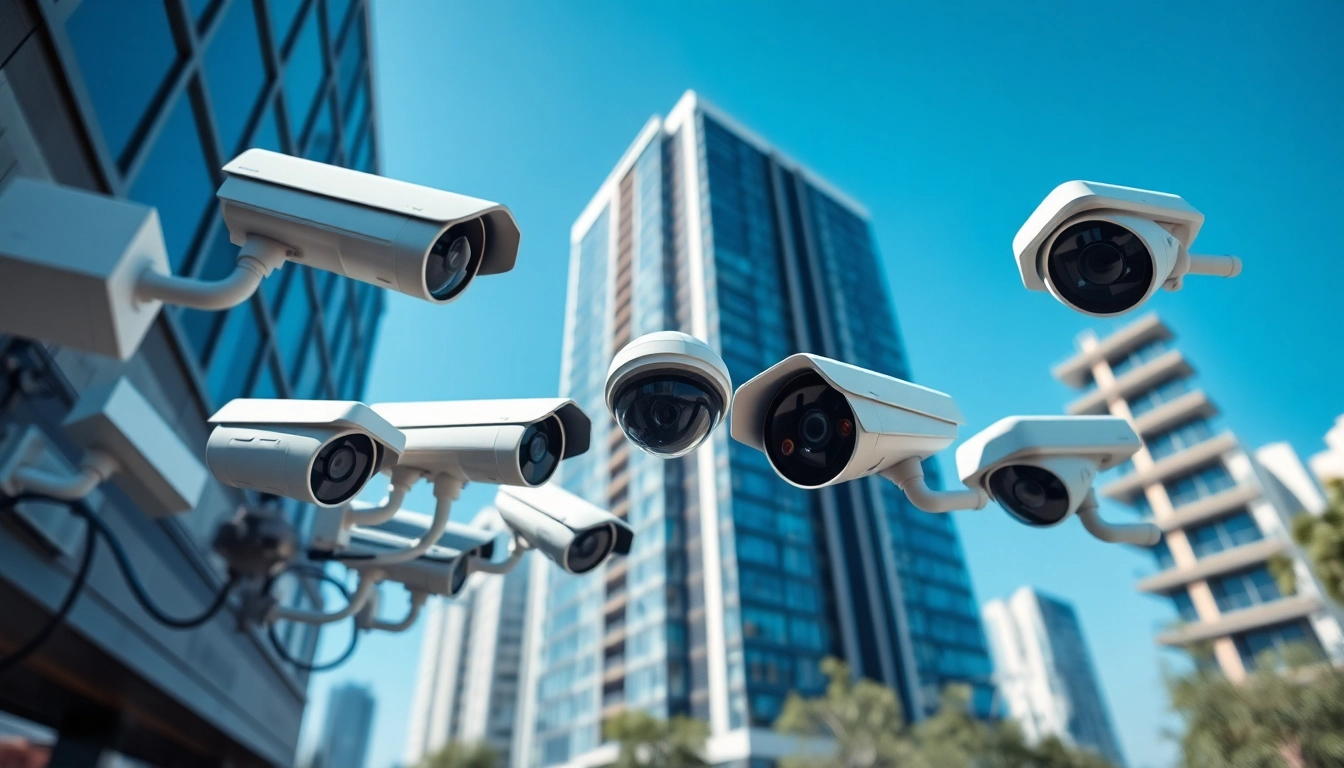
Introduction to Types of Perimeter Detection Systems
When it comes to securing physical properties, Types of perimeter detection systems play a crucial role in maintaining safety and protection from unauthorized access. These systems incorporate various technologies that provide an essential first line of defense, ensuring that property owners and managers can maintain security effectively.
What Are Perimeter Detection Systems?
Perimeter detection systems are security technologies designed to monitor and protect the boundaries of a property, alerting security personnel to any unauthorized access or intrusion attempts. These systems can vary significantly in terms of technology, application, and effectiveness. Typically, they involve a combination of sensors, alarms, cameras, and other monitoring systems that work together to create a comprehensive security solution. Whether used in industrial applications, government buildings, or private residences, their primary goal is to detect breaches in real-time, thereby mitigating risks before they escalate.
Importance of Perimeter Security
The importance of perimeter security cannot be overstated. The perimeter serves as the first line of defense against potential threats. By implementing effective perimeter detection systems, property owners can:
- Prevent unauthorized intrusions: Early detection allows for prompt response before a breach occurs.
- Reduce theft and vandalism: A visible security presence dissuades potential criminals.
- Enhance safety: A fortified perimeter protects employees, visitors, and assets.
- Comply with regulations: Many industries require perimeter security as part of compliance standards.
Common Applications of Detection Systems
Perimeter detection systems have a wide range of applications across various sectors, including:
- Commercial Properties: Businesses need to safeguard not only their buildings but also employees and equipment, thus often utilize comprehensive perimeter detection systems.
- Industrial Facilities: Manufacturing plants and warehouses face unique security challenges that require tailored solutions, including motion and fence detection systems.
- Government and Military Installations: Security at sensitive locations is paramount, and perimeter systems play a vital role in national security.
- Residential Properties: Homeowners increasingly invest in perimeter deterrent measures for peace of mind and safety.
Key Types of Perimeter Detection Systems
Active vs. Passive Systems
Understanding the differences between active and passive perimeter detection systems is fundamental for any property owner or security manager:
- Active Systems: These systems actively monitor the perimeter using sensors that can include infrared beams, microwave detection, and laser tripwires. They generate alerts when these beams are interrupted or a change in the monitored environment is detected.
- Passive Systems: Unlike active systems, passive systems rely on the detection of emissions or signals that are already present in the environment. Popular examples include fence-mounted sensors that detect vibrations or disturbances. They are often less obtrusive but may provide delayed responses compared to active systems.
Types of Sensors Used
The effectiveness of perimeter detection systems heavily relies on the sensors used. Different types include:
- Motion Sensors: These sensors activate an alarm when motion is detected. Common types are passive infrared (PIR) sensors, which detect thermal radiation.
- Vibration Sensors: Usually mounted on fences, these detect vibrations caused by climbing or cutting attempts, triggering alerts.
- Video Analytics: Advanced video cameras equipped with analytics can detect unusual behaviors, providing both real-time and recorded evidence of intrusions.
- Infrared Sensors: These detect heat signatures and are effective for detecting movement in low visibility conditions.
Integrating Cameras with Detection Systems
Combining traditional video surveillance with perimeter detection systems enhances overall security. Cameras equipped with real-time monitoring capabilities can complement detection systems by providing visual confirmation of alarms triggered by sensors. This synergy allows for quick decision-making by security personnel, who can analyze situations more accurately. Moreover, modern integration technologies enable features like:
- Remote monitoring and control via smartphones and PCs.
- Intelligent alerts that distinguish between human and non-human movement.
- Cloud storage for easy retrieval of footage during investigations.
Best Practices for Implementing Detection Systems
Assessing Your Security Needs
The implementation of perimeter security systems begins with a thorough assessment of security needs. Property owners should consider:
- The size and layout of the property.
- The types of potential threats, including theft, vandalism, or trespassing.
- The budget for security solutions, including installation and ongoing maintenance costs.
- Regulatory requirements specific to the industry or geographical location.
Choosing the Right Technology
Once security needs have been assessed, selecting the right technology is crucial. Some tips include:
- Pick systems compatible with any existing security measures.
- Consider systems that provide scalability to accommodate future expansion.
- Research the integration of newer technologies, like AI for advanced threat detection.
- Evaluate user-friendliness, especially for training your security personnel.
Monitoring and Maintenance Tips
Once a perimeter detection system is in place, regular monitoring and maintenance are essential for optimal performance. Key considerations include:
- Regular testing of all sensors and alarms to ensure functionality.
- Routine maintenance schedules to check equipment for wear and tear.
- Training staff on system usage and response protocols.
- Updating software and firmware for video cameras and alarms to leverage enhanced security features.
Challenges in Perimeter Detection Systems
False Alarms and How to Reduce Them
One of the most significant challenges with perimeter detection systems is managing false alarms. To reduce the number of unnecessary alerts:
- Use reliable and tested sensors to minimize false positives.
- Adjust sensitivity settings based on environmental conditions.
- Combine multiple types of detection systems to verify potential threats.
Environmental Factors Affecting Performance
Environmental factors can heavily influence the effectiveness of detection systems. Elements to consider include:
- Weather conditions: Rain, snow, and fog can affect sensor sensitivity.
- Wildlife activity: Animals can trigger motion sensors, leading to false alerts.
- Landscaping: Overgrown bushes or trees may interfere with sensor range and visibility.
Cost Considerations and Budgeting
Budgeting for perimeter detection systems goes beyond initial installation costs. Property owners should consider:
- Long-term maintenance and operational costs.
- Insurance benefits that may arise from implementing advanced security systems.
- Potential productivity losses associated with security breaches.
- Cost of training staff and implementing protocols for effective usage.
Future Trends in Perimeter Security Technology
Advancements in Detection Technology
As technology evolves, so does perimeter security. Future trends include:
- Integration of IoT devices for centralized control and monitoring.
- More advanced analytics for differentiating between actual threats and environmental changes.
- Wireless technologies for easier installation and scalability.
The Role of AI in Security Systems
Artificial intelligence is set to revolutionize perimeter security, enhancing detection accuracy, and response times. Potential developments involve:
- Smart cameras that learn and adjust to familiar patterns, reducing false alerts.
- Predictive analytics that assess threat levels based on behavioral patterns.
- Automated decision-making to initiate a response based on real-time data analysis.
Preparing for Emerging Threats
With the rise of new security challenges, future perimeter detection systems must be adaptable. Preparing for emerging threats includes:
- Continuous assessment and upgrading of technologies for evolving risks.
- Investing in training personnel to recognize newer forms of threats.
- Fostering a culture of security awareness among employees and stakeholders.
FAQs About Perimeter Detection Systems
What is the main function of perimeter detection systems?
Perimeter detection systems primarily monitor the boundaries of a property to identify unauthorized access and potential threats, allowing for timely responses.
How do I choose the right perimeter detection system?
Assess your security needs, consider available technologies, and choose systems that integrate well with existing security measures while remaining scalable.
What are the most common types of sensors used?
Common sensors include motion detectors, vibration sensors, infrared sensors, and video analytics systems, each serving specific detection capabilities.
How can I reduce false alarms?
Reduce false alarms by selecting high-quality sensors, adjusting sensitivity settings, and implementing multi-tiered detection systems that verify threats.
What are the future trends in perimeter security?
Future trends include IoT integration, AI-enhanced analytics, and advancements in wireless technology to improve security efficiency and responsiveness.