Understanding the Importance of Recycling Computers
As technology rapidly evolves, there is an increasing amount of electronic waste generated globally. Computers, while essential in our daily lives, contribute significantly to this issue when they are discarded improperly. Understanding the recycling process and its importance not only aids the environment but can also help you collect old computers for free. This guide will delve into the environmental impacts of e-waste, the benefits of recycling, and the common misconceptions surrounding the recycling of electronic devices.
Environmental Impact of E-Waste
Electronic waste, or e-waste, includes discarded electronics like computers, cell phones, and televisions. When improperly disposed of, e-waste can lead to significant environmental degradation. For instance, toxins such as lead, mercury, and cadmium can leach into the soil and water supply, posing health risks to humans and wildlife. Understanding the environmental impact of e-waste underscores the need for proper disposal methods and recycling strategies.
Benefits of Collecting Old Computers for Free
Recycling old computers presents numerous benefits. Firstly, it conserves natural resources by reusing valuable materials such as metals and plastics. Secondly, it reduces greenhouse gas emissions, as recycling often consumes less energy than producing new products. Moreover, recycling helps prevent pollution, ensuring hazardous materials do not enter landfills.
Common Misconceptions about E-Waste Recycling
Many individuals believe that recycling e-waste is complicated or that their discarded items are worthless. However, e-waste recycling programs are designed to be accessible. A common misunderstanding is that non-functional devices cannot be recycled, when in fact, many parts can still be salvaged. Additionally, some fear about the safety of data on old computers encourages improper disposal instead of utilizing effective recycling methods.
Where to Collect Old Computers for Free
There are various places and programs dedicated to the collection of old computers at no charge. From local recycling initiatives to designated drop-off points, understanding where to go for recycling can ease the process and ensure your devices are disposed of responsibly.
Local Recycling Programs and Events
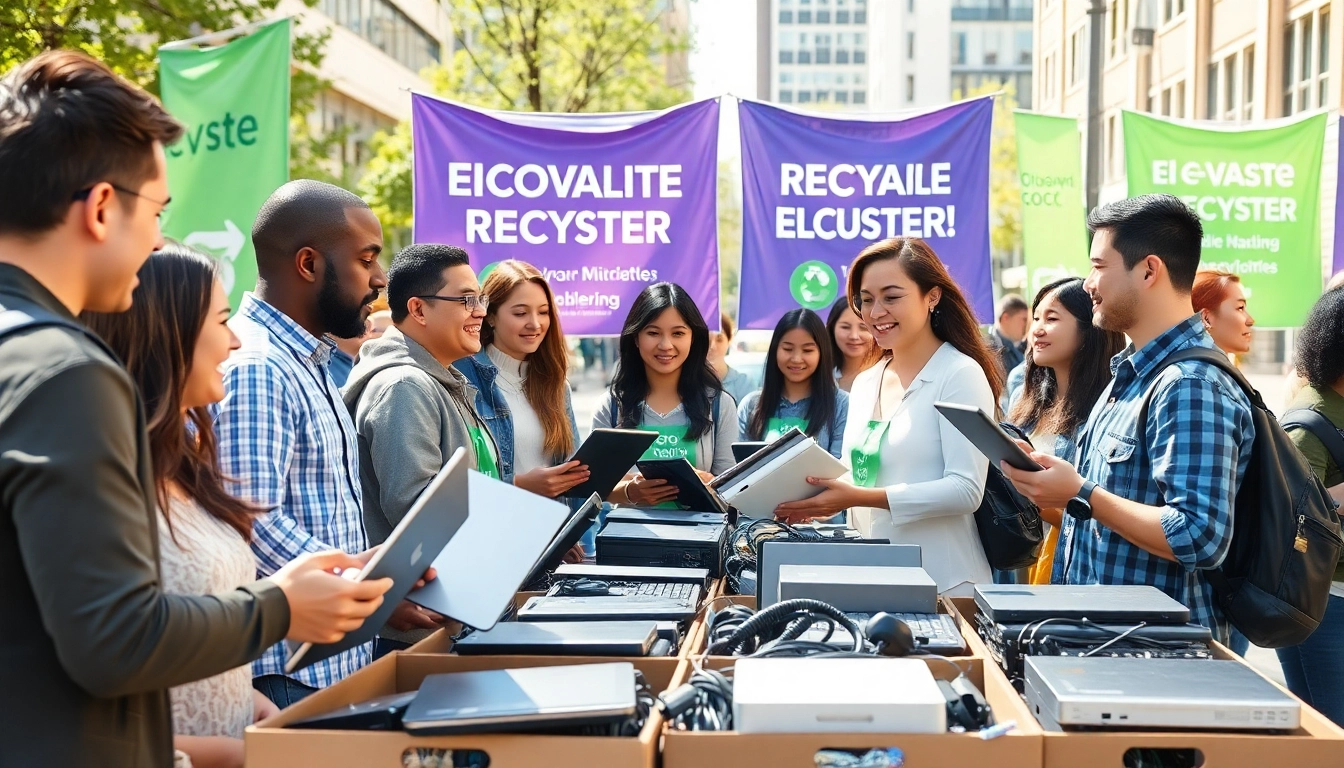
Many communities organize regular electronic waste recycling events. These events often allow residents to drop off old computers, monitors, and other electronics at designated locations for free. Local government websites or community centers usually provide information about upcoming events.
Education Institutions and Non-Profits as Collection Centers
Schools and non-profit organizations often run computer recycling initiatives. They may have partnerships with reputable recycling companies and provide a means for collecting old computers. Additionally, some organizations refurbish old computers for educational purposes or donate them to students in need, promoting sustainability and access to technology.
Scheduled E-Waste Collection Days
Several municipalities schedule regular e-waste collection days where citizens can drop off their old computers and accessories. These days can significantly reduce the amount of e-waste in landfills. Check your local government’s environmental services webpage for the schedule of these events.
Steps to Prepare Your Old Computers for Recycling
Preparation is critical to ensure a smooth recycling process. Taking the right steps before handing over your old electronics can also safeguard your personal data and help recycling initiatives.
Data Wiping Techniques Before Recycling
Before recycling your computers, it’s essential to wipe all personal data. This entails using software that securely deletes files, ensuring that sensitive information cannot be retrieved. An alternative is physically removing hard drives and storing or disposing of them separately.
Sorting and Packaging Your Electronics
Sort your electronics by type to ensure they are sent to the correct recycling facilities. Consider packaging the items securely to prevent any damage during transport. Utilizing boxes labeled with clear descriptions can facilitate easier processing at recycling centers.
Understanding What Can Be Collected
Most recycling programs accept a variety of electronic items. Commonly accepted items include desktop computers, laptops, monitors, keyboards, printers, and even peripheral devices. Always check with your local recycling program to confirm accepted materials.
Partnering with Local Agencies for Efficient Collection
Collaborating with local agencies can streamline the process of collecting and recycling old computers. This partnership can enhance community awareness and encourage broader participation in recycling programs.
Identifying Reliable Local Recyclers
Look for local recyclers that are certified and have a good reputation. Research their practices to ensure they comply with environmental standards. Local recycling facilities often offer free collections or provide drop-off points readily available to the community.
Establishing Community Collection Initiatives
Community-based collection initiatives can help gather old computers more efficiently. By promoting recycling events and providing collection bins in strategic locations, communities can significantly reduce e-waste. Partnering with civic organizations can further enhance these initiatives.
Working with Technology Charities
Many charities accept old computers to refurbish and redistribute to underprivileged communities. This ensures that devices are used to bridge the digital divide while also supporting recycling efforts. Collaborating with these organizations can enhance your collection and recycling outcomes.
Frequently Asked Questions about Recycling Old Computers
What Can I Do with Non-Functional Computers?
Non-functional computers can often be recycled as parts. Many recycling facilities accept them, ensuring valuable materials are reused, while toxic substances are handled responsibly.
Are There Fees Associated with Collecting Old Computers for Free?
Most programs offering computer collection for recycling do so at no charge. Be sure to check local guidelines, as some locations may have specific rules or exceptions.
How Do I Ensure My Data is Secure Before Recycling?
Use reputable data-wiping software to delete files securely. You can also remove the hard drive and store it separately if you’re concerned about data security.
What Happens to My Old Computer After Collection?
After collection, computers are sorted and can either be refurbished, recycled for materials, or the data stored on hard drives is securely destroyed, depending on the facility’s processes.
How Often Does E-Waste Collection Take Place?
The frequency of e-waste collection varies by location. Many communities have designated days or ongoing programs, so check local resources for schedules and details.